 Kamal Noori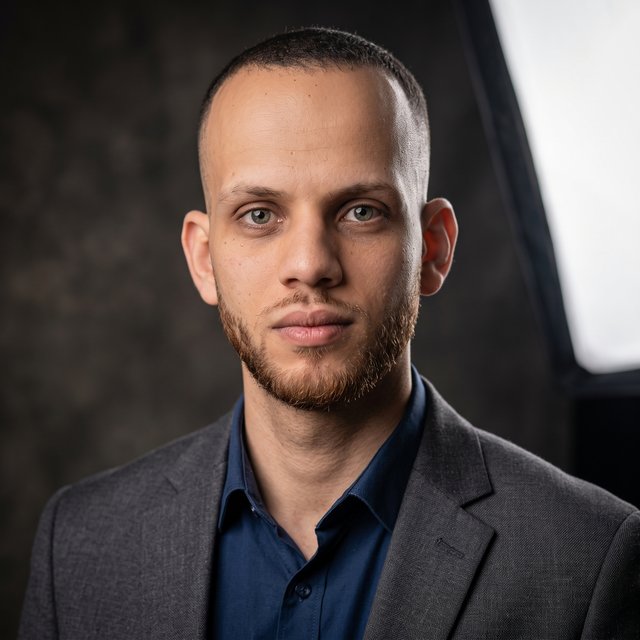
Free 30-minute call
Tell me what's leaking in your ad account.
I'm Kamal Noori. I've managed $3M+ in ad spend and generated $50M+ in revenue across Google, Meta, TikTok and Criteo. Book a free call, tell me what's going on, and I'll tell you straight what I see.
Free. Thirty minutes. No pitch.
Who you're calling
I paid to learn this at 19.
At 19 I launched my first store, sure a great product would sell itself. It didn't. So I went to find the answer where you can't fake it: live accounts, real money on the line. Amazon PPC first, scaling FBA brands in the US. Then years running performance campaigns across Google, Meta, TikTok and Criteo with the Webgas team in Naples.
$3M+ in ad spend managed. $50M+ in revenue generated. Two of the brands I run, I took into countries they'd never sold in before.
The leaks repeat from account to account. On the call, tell me the number that doesn't add up, and I'll tell you what I'd check first.
Before you book
What happens on the call.
A number that doesn't add up, a campaign that stopped converting, a launch that flopped. Leave it in the notes when you book, so I'm already thinking about it.
About your account, your numbers, what you've already tried. No slides, no script.
What I think is happening, and whether I can help. If I can't, I'll say so on the call.
Before you ask
Fair questions.
Is it really free?
Yes. Thirty minutes, no charge, no catch.
What should I bring?
Nothing formal. A note on what you want to talk about, left when you book, is enough.
Ecommerce or lead-gen?
Both. I run accounts on either model, whatever gets you paid.
Ready when you are
Book your free call.
Thirty minutes. Tell me what's going on, and I'll tell you what I see.
PS. Worst case, you get a stranger's straight answer for free.