 Kamal Noori
Jun 14, 2026
Stop Adding Channels. Expand the System.
growth-systemsecommercestrategy
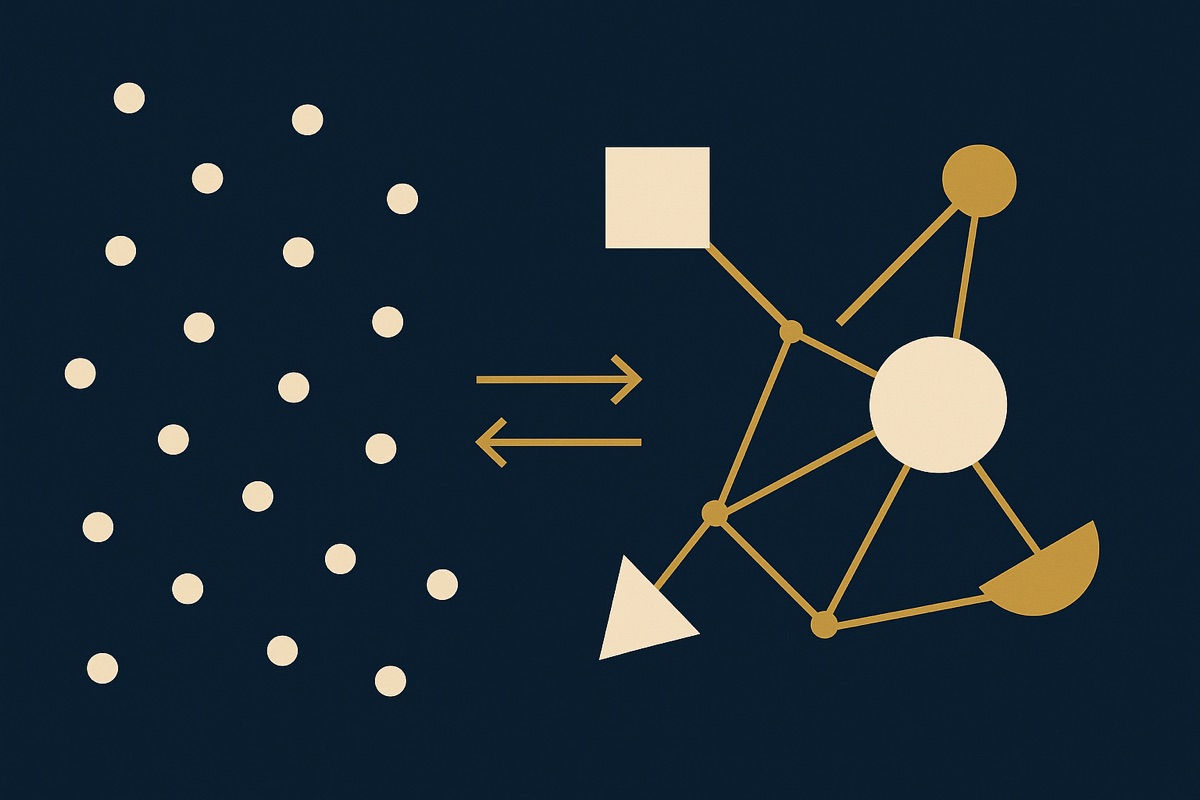
Most brands don’t have a channel problem. They have a depth problem.
Adding TikTok, then Amazon, then a new email tool feels like growth. It’s usually just chaos with a bigger surface area.
The short answer
No, you probably should not add another channel. A new channel multiplies the work of every channel you already run badly. The brands that scale don’t bolt on platforms hoping one clicks. They go deeper on the two or three that already convert, until those channels print more than they did the month before. Expand the system. Don’t widen the mess.
A new channel is a multiplier, not a lottery ticket
Here’s the math nobody wants to hear. Every channel needs creative, tracking, a feed, a budget owner, and a feedback loop that tells you what’s working. That’s not optional overhead. That’s the cost of the channel existing.
Run one channel well and you have one of each. Add a second and you don’t get two. You get the friction between them. Attribution gets murkier. Your team’s attention splits. Your best creative person now context-switches across platforms instead of going deep on the one that pays.
A channel is a multiplier. It takes whatever system you feed it and makes it bigger. Feed it a clear system and it scales. Feed it chaos and you just buy more expensive chaos, faster.
So before anyone asks “should we add TikTok,” the real question is: are we extracting everything the channels we already own can give us? Almost always the answer is no.
What “expanding the system” actually means
Adding a channel widens. Expanding the system deepens. Different verbs, opposite outcomes.
Expanding the system looks boring from the outside. It’s the work under the hood:
Better tracking, so you trust the numbers and can act on them. A creative pipeline that ships ten tested concepts a month instead of two. A post-purchase flow that turns one order into two. A landing page that converts at 4 percent instead of 2.4 percent, which doubles the output of every euro you were already spending. Audience segmentation so you stop paying to talk to people who already bought.
None of that is a new platform. All of it makes the platforms you have worth more. That’s the difference. A new channel adds a row to your spreadsheet. Expanding the system raises every number already in it.
You can’t scale chaos. You multiply it. So you fix the engine first, then you press the accelerator.
The concrete example
A home-goods brand came to me convinced they’d plateaued. Google and Meta were “tapped out.” The plan on the table was to launch TikTok and get on Amazon. Two new channels, two new agencies, two new sets of fees.
I asked to see the system first. The campaigns were fine. The system underneath was leaking.
Tracking was double-counting conversions, so they were scaling the wrong ad sets. The product feed had stale prices and missing GTINs, which meant Shopping was bidding on items it half understood. There was no abandoned-cart flow at all. The landing page for their best seller loaded a hero video that pushed the buy button below the fold on mobile.
We added zero channels. We fixed the feed, rebuilt the tracking so it told the truth, shipped an email and SMS flow on the orders they were already getting, and moved the buy button up. Same Google. Same Meta. Same budget for the first stretch.
Revenue roughly tripled over the following stretch on the two channels they already owned. MER went from 2.1 to 3.4. Only after that, with a system that actually held weight, did adding TikTok make sense. Now it had something solid to amplify instead of a leak to magnify.
That’s the whole lesson. They thought they needed more channels. They needed more out of the channels they had.
When adding a channel is actually right
I’m not anti-channel. New channels are real growth when the timing is right. The test is simple.
Add a channel when your current channels are saturated at a healthy MER and the bottleneck is genuinely audience reach, not your own system. If you’re hitting frequency caps, ROAS is still strong, and you’ve already squeezed the funnel, the conversion flow, and the retention engine, then yes. Go wider. You’ve earned it.
Don’t add a channel to escape a problem on the channel you have. A weak offer doesn’t get stronger on a second platform. Bad tracking doesn’t fix itself with more data sources. You just spread the same flaw across more places and pay more people to manage it.
FAQ
Should I add more marketing channels for my ecommerce store? Usually not yet. Most brands haven’t extracted what their current channels can give them. Deepen the system first. Tracking, creative volume, conversion rate, retention. Add a channel only when your existing ones are saturated at a profitable MER.
How do I know if my current channels are tapped out? Look at frequency and incremental return, not gut feel. If you can raise budget and ROAS holds, you’re not tapped out. If frequency is high, costs are climbing, and the funnel and retention are already tight, that’s a real ceiling. Most “plateaus” are leaks, not ceilings.
Doesn’t more channels mean more revenue and less risk? Only if each channel runs on a healthy system. Three half-built channels are more fragile than one strong one, not less. Diversification protects a working system. It doesn’t rescue a broken one.
What should I fix before adding a channel? Tracking you can trust, a product feed that’s clean, a landing page that converts, and a post-purchase flow that exists. Get those right and your current channels often deliver the growth you were trying to buy elsewhere.
The payoff
Widening feels like progress because it’s visible. Deepening feels like nothing because it happens under the hood. But one adds a logo to your stack and the other adds zeros to your revenue.
Pick the boring one. Then, when the system actually holds weight, go wide and watch it scale instead of crack.